Spring is one of the most exciting seasons for nature lovers, and Spring Wildlife Watching Tips in the Ozarks can help visitors make the most of their outdoor adventures. As temperatures rise and landscapes burst into bloom, the Ozark Mountains become home to increased wildlife activity. Migratory birds return, deer become more visible, and countless other species emerge from their winter routines.
Whether you’re an experienced wildlife enthusiast or a first-time visitor, understanding how to observe animals responsibly can make your trip more rewarding. The Ozarks offer countless opportunities to enjoy nature while creating unforgettable memories with family and friends.
Why Spring Is the Best Time for Wildlife Watching
The arrival of spring transforms the Ozarks into a vibrant ecosystem. Animals become more active as food sources increase and breeding seasons begin. This heightened activity provides excellent opportunities for observation.
The region’s diverse habitats—including forests, rivers, lakes, and meadows—support a wide variety of species. Visitors exploring the Ozarks during spring often encounter birds, mammals, reptiles, and amphibians in their natural environments.
According to the Missouri Department of Conservation, spring is one of the most active periods for wildlife observation because many species are feeding, nesting, and migrating throughout the region.
Common Wildlife You May See in the Ozarks
White-Tailed Deer
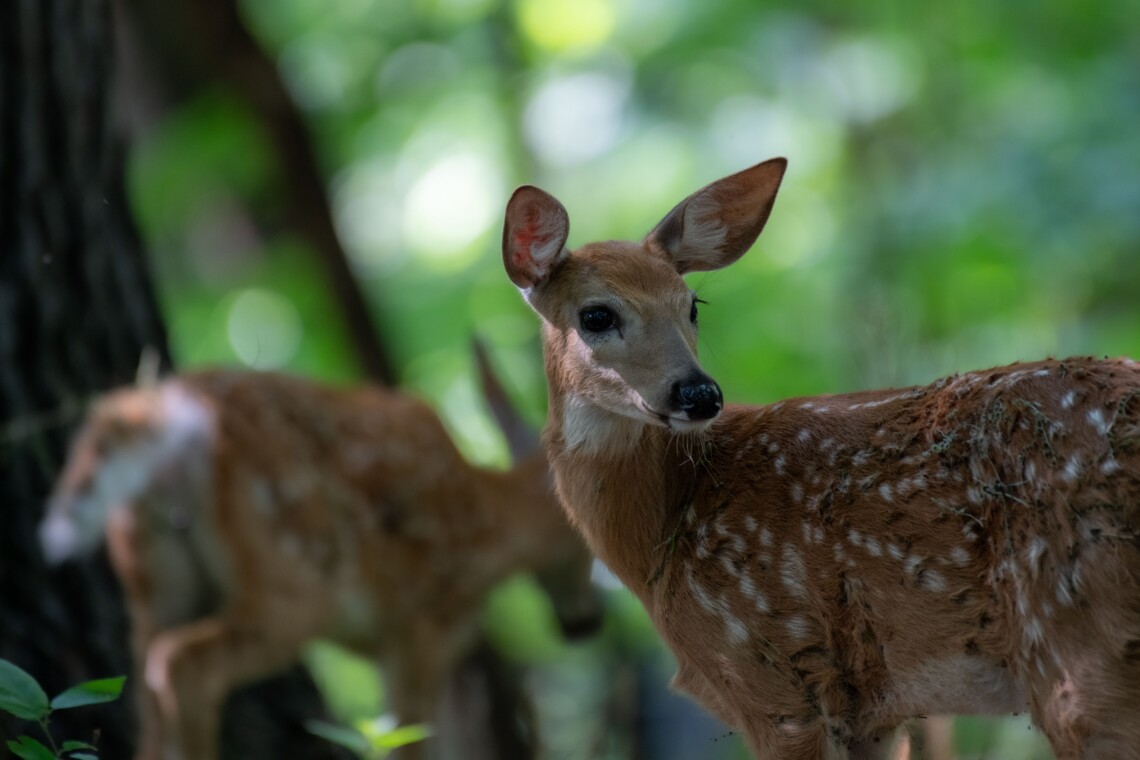
White-tailed deer are among the most frequently spotted animals in the Ozarks. Early mornings and late evenings are ideal times to see them grazing in open fields and forest edges.
Wild Turkeys
Spring marks the mating season for wild turkeys. Visitors may hear gobbling calls echoing through the woods and occasionally witness impressive courtship displays.
Songbirds and Migratory Birds
Bird enthusiasts flock to the Ozarks during spring migration. Warblers, orioles, hummingbirds, and various songbirds return to the area, bringing colorful displays and beautiful melodies.
For bird identification and migration information, visitors can explore resources from the National Audubon Society.
Bald Eagles
Although often associated with winter viewing, bald eagles can still be spotted near lakes and rivers throughout spring.
River Otters
Lucky visitors may catch glimpses of playful river otters near streams and waterways. Their energetic behavior makes them one of the most enjoyable animals to observe.
Frogs and Salamanders
Spring rains create ideal conditions for amphibians. Evening walks near ponds and wetlands often reveal a chorus of frogs and sightings of salamanders.
Best Times of Day for Wildlife Watching
One of the most important Spring Wildlife Watching Tips in the Ozarks is understanding animal activity patterns.
Early Morning
Many species are most active shortly after sunrise. Cooler temperatures and reduced human activity make this an excellent time for wildlife encounters.
Late Afternoon and Dusk
As temperatures begin to cool, animals emerge to feed. Deer, turkeys, and numerous bird species are particularly active during these hours.
After Rainfall
Spring showers often encourage amphibian activity and increase wildlife movement throughout the region.
Essential Equipment for Wildlife Watching
Binoculars
A quality pair of binoculars allows you to observe wildlife without disturbing animals. Compact models are easy to carry during hikes.
Camera with Zoom Lens
Wildlife photography is popular throughout the Ozarks. A zoom lens helps capture detailed images while maintaining a safe distance.
Field Guide
Carrying a regional wildlife guide can help identify birds, mammals, and plants encountered during your adventures.
Notebook
Many wildlife enthusiasts enjoy recording sightings and documenting observations.
Comfortable Clothing
Layered clothing and sturdy footwear help ensure comfort during changing spring weather conditions.
Choosing the Right Wildlife Watching Locations
The Ozarks feature countless natural areas ideal for wildlife observation.
Forest Trails
Wooded trails provide opportunities to see deer, birds, squirrels, and other forest-dwelling animals.
Lakeshores
Lakes attract waterfowl, eagles, herons, and numerous aquatic species.
Wetlands
Wetland ecosystems are particularly active during spring and support frogs, turtles, water birds, and insects.
Scenic Overlooks
Elevated viewpoints often provide excellent opportunities to observe soaring birds and panoramic landscapes.
Visitors staying near Branson can enjoy convenient access to outdoor recreation while relaxing at Roark Creek Resort accommodations, making it easier to explore nearby wildlife habitats.
Responsible Wildlife Watching Practices
Respecting wildlife ensures healthy ecosystems and positive experiences for future visitors.
Maintain Distance
Never approach or attempt to touch wild animals. Observing from a safe distance protects both people and wildlife.
Stay Quiet
Excessive noise can stress animals and reduce opportunities for observation.
Remain on Designated Trails
Following marked paths helps protect sensitive habitats and minimizes environmental impact.
Avoid Feeding Wildlife
Feeding wild animals can alter natural behaviors and create long-term ecological problems.
Capturing memorable images requires patience and preparation.
Use Natural Light
Early morning and late afternoon lighting often produce the best wildlife photographs.
Focus on the Eyes
Sharp focus on an animal’s eyes creates more compelling images.
Be Patient
Animals rarely pose on command. Waiting quietly often leads to better photographic opportunities.
Respect Boundaries
Never pursue or corner wildlife for a photograph. Ethical photography should always prioritize animal welfare.
Spring Bird Watching in the Ozarks
Bird watching is one of the region’s most popular spring activities.
Look for Migratory Species
Many migratory birds stop in the Ozarks during their seasonal journeys.
Listen Carefully
Bird songs often reveal species before they become visible.
Bring a Birding App
Modern bird identification apps can help recognize calls and species encountered in the field.
Visit Diverse Habitats
Different species prefer forests, grasslands, lakeshores, or wetlands. Exploring multiple environments increases viewing opportunities.
Safety Considerations During Spring Wildlife Viewing
While wildlife watching is generally safe, preparation remains important.
Check Weather Conditions
Spring weather can change rapidly in the Ozarks. Always review forecasts before heading outdoors.
Carry Water
Hydration is essential during hiking and outdoor exploration.
Watch for Ticks
Ticks become active during spring. Wearing long sleeves and using insect repellent can reduce exposure.
Be Aware of Snakes
Most snakes avoid humans, but visitors should remain attentive when walking through natural areas.
Family-Friendly Wildlife Watching Activities
Families can make wildlife observation both educational and entertaining.
Wildlife Scavenger Hunts
Create a checklist of animals, birds, tracks, and plants to find during hikes.
Nature Journaling
Children often enjoy drawing animals and recording observations.
Photography Challenges
Encourage family members to photograph different species and compare discoveries.
Guided Nature Programs
Many conservation organizations offer educational wildlife programs during spring months.
Making the Most of Your Ozarks Wildlife Adventure
The Ozarks provide exceptional opportunities for nature enthusiasts throughout spring. By following these Spring Wildlife Watching Tips in the Ozarks, visitors can increase their chances of spotting fascinating wildlife while protecting the habitats that make these experiences possible.
From colorful migratory birds and graceful deer to playful river otters and vocal frogs, the region offers countless opportunities for discovery. Whether you’re hiking forest trails, exploring lakeshores, or simply enjoying scenic views, spring wildlife watching can become one of the most memorable parts of your Ozarks vacation.
Plan ahead, bring the right equipment, respect wildlife, and embrace the beauty of the season. The rewards of observing animals in their natural environment are well worth the effort, creating lasting memories and a deeper appreciation for the remarkable ecosystems of the Ozark Mountains.
Make your Branson autumn getaway memorable with cozy cabin evenings, bonfire-inspired activities, toasted s’mores, family games, stargazing, and relaxing moments after exploring... Read More
Discover October's autumn atmosphere in Branson, Missouri, with seasonal festivals, craft fairs, family-friendly attractions, fall foliage, and comfortable condo stays at Roark... Read More
Discover the beauty of fall with scenic drives through the Ozarks. Explore colorful forests, peaceful lakes, winding country roads, and memorable stops... Read More


 by
by