The Ozarks are one of the most biologically diverse regions in the central United States, making wildlife watching in the Ozarks a must-do experience for nature lovers. Spanning southern Missouri and northern Arkansas, this rugged landscape of rolling hills, crystal-clear rivers, forests, and caves is home to an incredible range of animals, birds, and plant life.
Whether you’re a first-time visitor or a returning outdoor enthusiast, understanding what wildlife to expect—and how to observe it responsibly—will enhance your experience and help preserve the natural beauty of the Ozark Mountains for generations to come.
Why Wildlife Watching in the Ozarks Is So Special
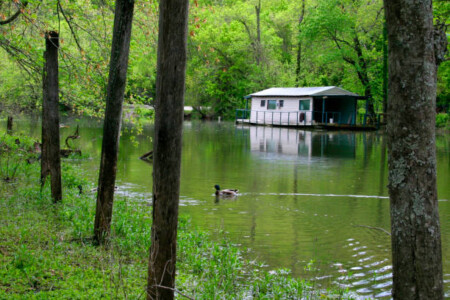
What sets wildlife watching in the Ozarks apart is the region’s unique geography. The Ozark Plateau creates a mix of hardwood forests, limestone bluffs, wetlands, and waterways, all of which support diverse ecosystems.
Visitors can enjoy wildlife viewing year-round, with each season offering different species and behaviors. From spring bird migrations to fall deer activity, the Ozarks deliver unforgettable encounters for photographers, families, and solo travelers alike.
Common Wildlife You’ll See in the Ozarks
Mammals of the Ozarks
Some of the most frequently spotted mammals include:
- White-tailed deer
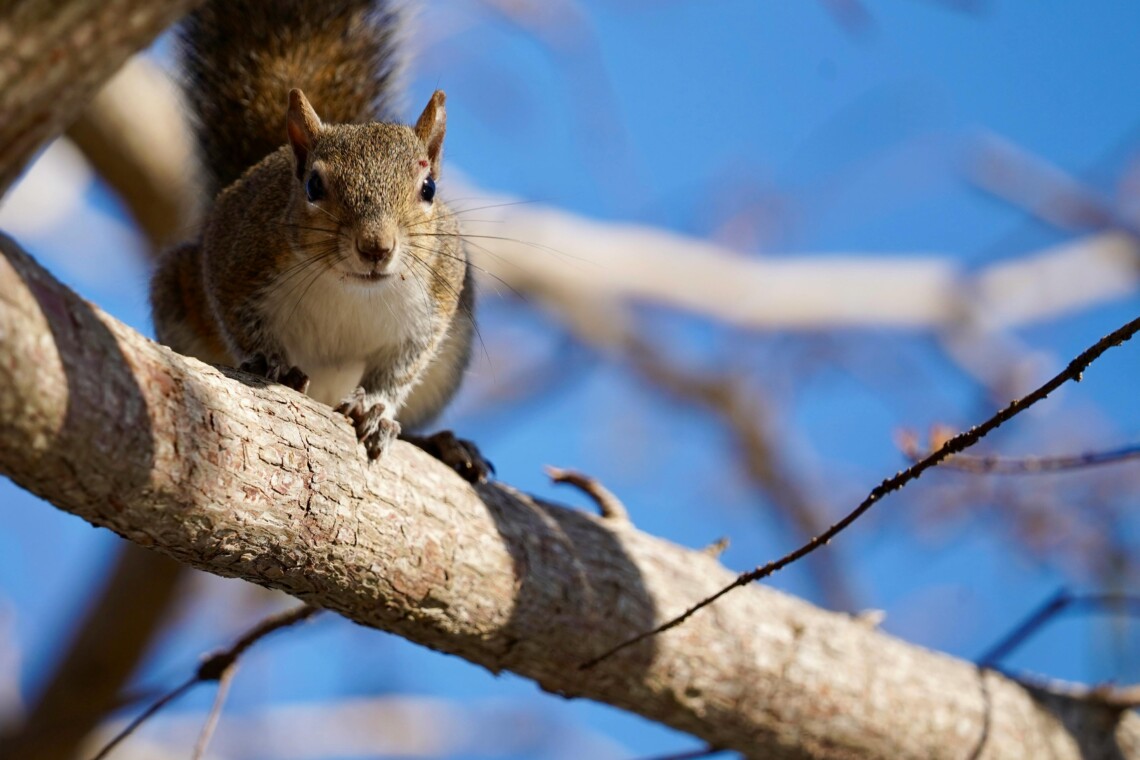
- Eastern gray squirrels
- Red foxes
- River otters
- Beavers
- Raccoons
More elusive species like bobcats and black bears also inhabit parts of the Ozarks, especially in protected and less developed areas.
For accurate information about mammal populations and conservation efforts, visit the Missouri Department of Conservation website.
Birdwatching Opportunities in the Ozarks
Birdwatchers flock to the Ozarks for good reason. Over 200 bird species have been recorded here, making wildlife watching in the Ozarks especially rewarding for avian enthusiasts.
Popular sightings include:
- Bald eagles
- Wild turkeys
- Pileated woodpeckers
- Great blue herons
- Scarlet tanagers
Spring and fall migrations are peak seasons, especially near rivers and forest edges. Learn more about bird habitats through the Audubon Society.
Reptiles, Amphibians, and Aquatic Life
The Ozarks are also home to a variety of reptiles and amphibians, including:
- Box turtles
- Copperhead snakes
- Salamanders
- Frogs and toads
Clear streams and rivers support aquatic wildlife such as smallmouth bass, crayfish, and freshwater mussels. If you’re interested in learning about Ozark waterways, the National Park Service offers excellent educational resources.
Best Places for Wildlife Watching in the Ozarks
State Parks and Conservation Areas
Designated parks and conservation areas provide safe environments for both visitors and animals. These protected lands offer hiking trails, observation decks, and guided programs.
Some notable areas include:
- Mark Twain National Forest
- Roaring River State Park
- Ozark National Scenic Riverways
When Is the Best Time for Wildlife Watching in the Ozarks?
Timing plays a huge role in successful wildlife watching in the Ozarks.
- Spring: Ideal for birdwatching and newborn wildlife
- Summer: Early mornings and evenings offer the best sightings
- Fall: Deer activity increases during rutting season
- Winter: Easier to spot animals due to sparse foliage
Regardless of season, dawn and dusk are the most active periods for wildlife.
Ethical and Safe Wildlife Viewing Tips
Responsible wildlife watching ensures animals remain healthy and undisturbed.
Do’s
- Use binoculars or zoom lenses
- Stay on marked trails
- Keep a respectful distance
- Observe quietly
Don’ts
- Never feed wild animals
- Avoid approaching young wildlife
- Don’t remove plants or disturb habitats
Where to Stay for the Best Wildlife Experiences
Choosing accommodations close to nature greatly enhances wildlife watching in the Ozarks. Staying near creeks, forests, and walking trails increases your chances of daily wildlife sightings.
For travelers seeking a peaceful, nature-focused stay, Roark Creek Resort offers a prime location surrounded by Ozark scenery. Many guests enjoy spotting deer, birds, and other native wildlife right from the property.
Wildlife Photography in the Ozarks
Photography enthusiasts will find endless inspiration in the Ozarks. From misty river mornings to golden-hour forest light, wildlife photography thrives here.
Tips for better shots:
- Use natural light whenever possible
- Wear neutral colors
- Be patient and let animals come to you
- Avoid flash photography
For beginner photography tips, check out resources from National Geographic
Why Wildlife Watching in the Ozarks Belongs on Your Travel List
Few destinations offer the accessibility, diversity, and natural beauty found in the Ozarks. Wildlife watching in the Ozarks isn’t just an activity—it’s an immersive experience that connects visitors to nature in a meaningful way.
Whether you’re hiking forest trails, relaxing by a creek, or enjoying your morning coffee with birdsong in the background, the Ozarks invite you to slow down and appreciate the wild world around you.
Final Thoughts
With proper planning, ethical practices, and the right accommodations, wildlife watching becomes one of the most rewarding parts of any Ozarks vacation. From iconic mammals to rare bird species, the region offers endless opportunities to observe nature responsibly.
If you’re ready to explore the Ozarks and enjoy unforgettable wildlife encounters, there’s no better place to start than immersing yourself in the region’s natural landscapes and choosing a stay that keeps you close to the wild.


 by
by